
The Best Multi-Currency Accounts in Indonesia in 2026
Table of Contents

Author: Artiom Pucinskij
Table of Contents
I suggest Jenius when you want control over which foreign balance your card uses, while BCA adds currency pockets to an existing local bank account.
Mandiri's main-and-sub-account structure suits holding several currencies without a separate administration charge on every sub-account, while OCBC and DBS offer other bank-based options.
Wise remains an outbound transfer service for Indonesian residents, but it does not offer the held balances or card needed for this account shortlist.
Search Now & Save On Your Transfer
Instantly view live exchange rates, fees & features.
At a glance
Jenius: selecting a foreign balance for your debit card
BCA: currency pockets within existing BCA banking
Mandiri: foreign sub-accounts with administration charged to the main account
OCBC: multiple currency balances with Global Debit spending
DBS: one account for foreign balances and international transfers
Best accounts for holding foreign currencies in Indonesia
These Indonesian bank accounts hold foreign currency, with the card behaviour and receiving arrangements checked separately from the number of balances available.





Jenius
Jenius lets you choose the foreign balance linked to your card
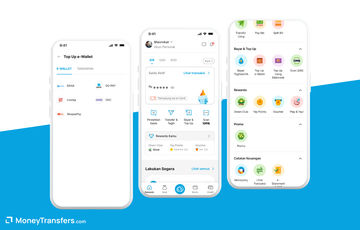
Jenius lets you link its m-Card to a selected supported currency balance, giving you control over which money funds your overseas spending.
In my opinion, that arrangement is worth considering when you want to keep a travel budget in the relevant currency and avoid spending from your rupiah balance by default.
Feature | Account details |
|---|---|
Foreign currencies | 13, alongside IDR |
Account setup | Separate account number for each activated foreign currency |
Card | Manually link m-Card to a chosen supported currency |
Monthly account cost | Feesible Rp10,000 |
Receiving | Supported foreign receipts using the appropriate account/SWIFT instructions |
Activating a foreign currency gives it a separate account number, while receiving money from abroad still requires the correct currency and bank-transfer instructions.
Those are Indonesian bank arrangements, rather than local US or British receiving details simply because the account holds dollars or pounds.
Before travelling, link the card to the balance you intend to use and keep enough money there for the payment you expect.
If the card uses a different currency, the purchase can involve conversion, so holding francs does not help a franc purchase unless the funding behaviour also matches.
You buy foreign currency using Jenius's offered rate, which means a matching-currency card payment avoids another conversion without making the original purchase of that currency free.
My suggestion is to check the account's ongoing charge and the actual conversion before selecting it, particularly if you only need an occasional overseas payment.
Jenius is part of Bank SMBC Indonesia, so it is an Indonesian bank account rather than a foreign wallet operating outside local banking rules.
BCA
BCA adds 18 foreign-currency pockets to your local banking

BCA's Poket Valas supports 18 foreign currencies within an eligible existing account, with a Mastercard debit card able to use a matching supported balance abroad.
I suggest it when you already bank with BCA and want foreign balances without adding another bank mainly for travel spending.
Feature | Account details |
|---|---|
Foreign currencies | 18, alongside the base IDR account |
Account setup | Poket Valas linked to an eligible BCA account |
Card | Debit BCA Mastercard matching-currency overseas spending |
Pocket administration | No separate pocket fee, underlying account/card costs remain |
Receiving | BCA inward-remittance instructions and fees apply |
Supported overseas merchant payments and cash withdrawals can debit the matching currency pocket without first converting it into rupiah.
Current support also includes qualifying online purchases processed outside Indonesia, so a foreign website's transaction arrangements can affect whether the pocket is used.
Check the fallback setting when a pocket has insufficient funds, because an enabled fallback can debit the main rupiah account at BCA's conversion rate.
That can keep a payment working, but it changes the funding cost from spending foreign currency you already hold.
Poket Valas is separate from treating an ordinary rupiah card as a multi-currency account, because the pocket gives you an actual held foreign balance.
International receiving and outgoing transfers have their own bank charges, so I suggest checking those before using a pocket for regular overseas receipts.
For a substantial same-currency payment, BCA waives the remittance provision when funding from Poket Valas, although telex and other applicable charges remain.
My suggestion is to keep that transfer feature separate from travel spending, using the actual payment quote rather than assume every use of the pocket is free.
Bank Mandiri
Mandiri charges administration to the main currency account
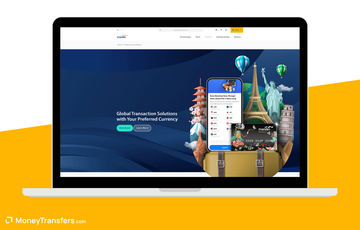
Mandiri Multicurrency combines one main account with foreign-currency sub-accounts, with administration and minimum-balance requirements charged to the main account rather than every sub-account.
I think that structure is a good fit when you want to keep several supported currencies within Livin without paying an administration charge separately on every foreign balance.
Feature | Account details |
|---|---|
Foreign currencies | 16 |
Account setup | One Main Account and up to 15 Sub Accounts |
Card | Eligible Visa debit with foreign-currency debit enabled |
Monthly cost | Main-account tariff, for example USD1 on a USD main account |
Opening balance | Main-currency requirement, for example USD10 on USD main account |
Receiving | Currency-specific bank instructions, not 16 local overseas accounts |
The product supports 16 foreign currencies, including dollars, pounds, euros and regional currencies, with opening available through Livin for eligible existing personal customers.
A rupiah savings or current account and the required debit-card facilities form part of the opening conditions, so the foreign account is an addition to your Mandiri relationship.
Your choice of main currency determines the relevant opening deposit, minimum balance and administration tariff, rather than one universal rupiah price applying to every arrangement.
My suggestion is to select the main currency around what you regularly hold or receive, then open the sub-accounts needed for other commitments.
Enable the foreign-currency debit feature on an eligible Visa card before using supported balances for overseas purchases or ATM withdrawals.
A matching-currency purchase avoids a fresh conversion, while ATM and other applicable bank charges can still apply to the transaction.
The bank uses its offered exchange rate for conversion, so keeping several balances does not establish that buying those currencies is cheaper than another bank.
Overseas transfers through Livin have separate fees and product limits, which need checking even when the money is already held in the receiving currency.
An account for holding a balance and the route used to send it abroad are different features, so use the relevant payment conditions before arranging a larger transfer.
OCBC
OCBC pairs foreign balances with Global Debit spending
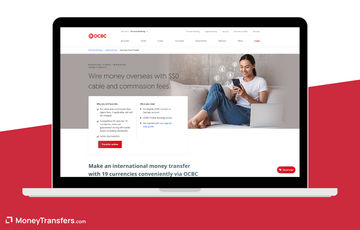
OCBC's personal multi-currency banking supports foreign balances and Global Debit payments from eligible currencies, letting you hold money before spending it abroad.
I suggest it when the supported card currencies match your travel or overseas spending, provided you check the account plan and balance conditions before opening.
Feature | Account details |
|---|---|
Foreign currencies | 15 plus IDR in the expanded current range |
Account setup | Personal Tanda360Plus, with digital and standard terms differing |
Card | Global Debit spends eligible matching balances |
Balance requirement | Digital average Rp1million, standard average Rp10million |
Below-minimum charge | Rp12,500 under the relevant account terms |
Receiving | Currency-specific international bank instructions |
The current currency range has expanded to include Korean won, Thai baht, UAE dirhams and Saudi riyals, alongside its established foreign-currency options.
That is relevant if your spending extends beyond dollars or euros, although the card and receiving instructions still need checking for the particular currency.
A matching balance can avoid conversion on a supported purchase, but a fallback into rupiah or another balance creates a different cost.
My suggestion is to confirm that fallback before travelling, rather than assume a card always waits for you to top up the foreign balance manually.
The exchange rate used to buy the balance and any account-plan charge affect the total, even when the overseas purchase has no fresh conversion.
For regular foreign receipts, ask for the appropriate bank details and receiving tariff instead of treating several held currencies as several local overseas accounts.
DBS
DBS keeps foreign balances under one account number
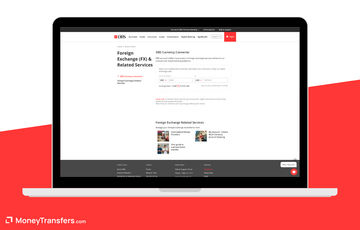
DBS digibank's Rekening Valas holds 11 foreign currencies alongside rupiah under one account number, with overseas payment features available through the bank's app.
I suggest it when you want a single bank account for holding and transferring supported currencies, rather than managing separate account numbers for each balance.
Feature | Account details |
|---|---|
Foreign currencies | 11, alongside IDR under one account number |
Account setup | Rekening Valas opened through an existing digibank savings relationship |
Card | Link debit card to Rekening Valas as the main card account |
Foreign-account monthly charge | None separately, base account terms remain |
Receiving | No DBS receiving fee, sender/intermediary charges can still apply |
The foreign-currency account has no separate monthly administration fee, while DBS does not charge its own incoming-transfer fee under the relevant account terms.
An intermediary bank can still deduct money from an incoming wire, so that receiving-fee waiver does not guarantee every payment arrives without any deduction.
DBS uses its own exchange rate, which means no separate conversion charge should not be read as a promise of the mid-market rate.
I suggest comparing the actual foreign balance bought for your rupiah amount, especially when the account will mainly be funded through conversion rather than foreign receipts.
Link the debit card to Rekening Valas as its main card account, then fund the appropriate supported currency before relying on it for overseas spending.
For an outgoing payment, check the route's conditions before assuming the same fee or full-amount treatment applies to every destination.
That distinction can affect tuition or another payment requiring an exact amount, even when the account itself holds the receiving currency you need.
What to check before opening an account
Holding, receiving and spending are separate features
A held dollar balance does not automatically provide local US account details, because Indonesian bank receipts often use international banking instructions instead.
Likewise, having money in euros does not establish that your debit card will spend it directly without checking the linked balance or fallback setting.
My suggestion is to confirm all three features for your actual currency, rather than choose an account solely from the largest currency count.
Account costs and conversion rates
Include the main account's monthly charge, any minimum-balance penalty and the rate used to buy foreign currency, not just the charge for opening a pocket.
An account with no separate foreign-balance fee can still cost more overall if the underlying account plan is expensive for your usage.
Matching-currency spending avoids a new conversion on the purchase, while converting rupiah beforehand still has a price through the bank's exchange rate.
For an occasional bank payment without ongoing currency holding, international money transfer services from Indonesia includes services that can solve the transfer without a multi-currency account.
Eligibility and overseas receiving instructions
Use the Indonesian account terms rather than assume a similarly named OCBC or DBS product in Singapore has identical features or opening requirements.
Digital registration can require Indonesian identification, while foreign residents may need a different opening route and immigration documents accepted by the bank.
Ask the bank about your own eligibility before relying on an app-only process, particularly when your existing account was opened under another residency arrangement.
For an incoming payment, confirm the account name, currency and SWIFT instructions with the payer, including whether any sending or intermediary fee will reduce the receipt.
Deposit protection
These are Indonesian bank deposits, with eligible balances covered by LPS up to Rp2 billion per depositor per bank, subject to the scheme's conditions.
That limit is shared across your eligible accounts and currencies at the same bank, rather than applying separately to every pocket or foreign balance.
Protection also depends on the applicable interest and other eligibility conditions, so a high advertised return should not be treated as automatically covered.
I suggest checking the current LPS conditions before holding a substantial balance, especially when several currency accounts belong to the same bank.
Wise transfers do not provide an Indonesian multi-currency balance
Indonesian residents can send money abroad using Wise, but its resident-account rules do not offer the currency holding or card needed for this shortlist.
If you need to keep foreign currency for later spending or receipts, choose an eligible bank account rather than rely on the transfer service as a reusable balance.
How to use a multi-currency account
Confirm the currency and receiving route
Check that you can hold the required balance and receive the payer's actual transfer method, including any SWIFT or intermediary charge.
Check the opening conditions and ongoing cost
Use the Indonesian product terms, including the main account, identification and minimum-balance requirements relevant to your chosen banking arrangement.
Fund the required balance
Receive an eligible foreign payment or convert rupiah at the bank's quoted rate, checking the amount you obtain before agreeing to the conversion.
Set the card's funding behaviour
Link the appropriate currency or check automatic selection and fallback, so a supported purchase spends the balance you intended to use.
Retain the receiving and payment records
Keep the account instructions and transaction records, particularly for foreign income or a larger payment requiring evidence of its purpose.
Compare the cost of converting and sending money before moving a balance between currencies or paying another account abroad.
Compare transfer costs from Indonesia
Enter your destination and amount to compare the available rates for moving money from Indonesia.Our methodology & why trust us
I selected personal banking products available in Indonesia, using current local account pages rather than features offered by the same brands in another country.
The reviews distinguish held currencies from receiving routes and card funding, while current official terms supersede older forum currency counts or spending restrictions.
Our Indonesia transfer checks returned Wise, but its transfer availability did not establish eligibility for a held-balance account, so it remains outside this shortlist.
Read more about how we review accounts and companies, including the evidence used for our account and transfer assessments.
Choose the account matching your currency and card needs, then check its current Indonesian opening terms and complete cost before applying.
Sources
Best money transfer apps
Choose the receiving method alongside your rupiah funding or retained foreign balance, then check the full payment cost.
Cheapest way to send money abroad
These examples show available prices for Rp10 million and Rp50 million transfers to eight destinations, using the amount received after conversion and the transfer fee.
Best money transfer companies
These services support outbound payments from Indonesia, covering local apps, overseas bank deposits and cash transfers through authorised agents.
Contributors

Please share your experience with …